Fellowship in Face and Neck Surgery
An advanced postgraduate programme combining academic teaching, clinical assessment, and hands-on surgical training in facial aesthetic procedures.
ADVANCED SURGICAL TRAINING
Specialised Expertise in Facial Cosmetic Surgery
The Fellowship in Face and Neck Cosmetic Surgery is an advanced postgraduate programme designed for clinicians seeking specialised expertise in aesthetic surgical procedures of the face and neck.
This comprehensive fellowship provides a structured pathway combining academic teaching, clinical assessment, and hands-on surgical training. Fellows develop a deep understanding of facial aesthetics, anatomical principles, and advanced surgical techniques used in modern facial cosmetic surgery.
The programme prepares clinicians to safely and effectively perform facelift and neck lift surgery, blepharoplasty, brow lift procedures, rhinoplasty, otoplasty, and facial rejuvenation procedures. Graduates will be equipped with the knowledge and technical skills required to deliver safe, ethical, and high-quality aesthetic surgical care.
PROGRAMME HIGHLIGHTS
What Sets This Fellowship Apart
Training is delivered through three core components: didactic education, clinical skills development, and technical surgical training.
SURGICAL CURRICULUM
Procedure-Specific Training
The fellowship curriculum is designed to provide a complete foundation in facial aesthetic surgery, progressing from fundamental principles to advanced surgical procedures.
Training is delivered through three core components:
Foundation
Facial Aesthetic Principles
The fellowship provides training in:
Fellows will develop the ability to analyse facial balance and design appropriate surgical treatment plans.
Foundation
Facial Anatomy and Ageing
The programme includes advanced teaching on:
Fellows will learn how anatomical changes contribute to volume loss, skin laxity, and facial descent.
Core Module
Facelift & Neck Rejuvenation
Training includes:
Fellows will also learn strategies to prevent and manage complications including:
- Haematoma
- Seroma
- Skin necrosis
- Asymmetry
- Pixie ear deformity
- Nerve injury
Periorbital Surgery
Blepharoplasty
Topics includes:
Fellows will learn to prevent and manage complications such as:
- Dry eye syndrome
- Ectropion
- Retrobulbar haematoma
- Poor scarring
Forehead & Brow
Brow Lift Surgery
Fellows will study the indications and techniques for:
The programme also covers differential diagnosis between dermatochalasis and brow ptosis.
Prominent Ear Correction
Otoplasty
Teaching includes:
Fellows will learn both:
Complication prevention and management are also covered.
Nasal Aesthetics
Rhinoplasty
Training includes:
Fellows will also learn the prevention and management of complications including:
- Pollybeak deformity
- Open roof deformity
- Septal perforation
CLINICAL SKILLS DEVELOPMENT
The Skills That Define Safe Practice
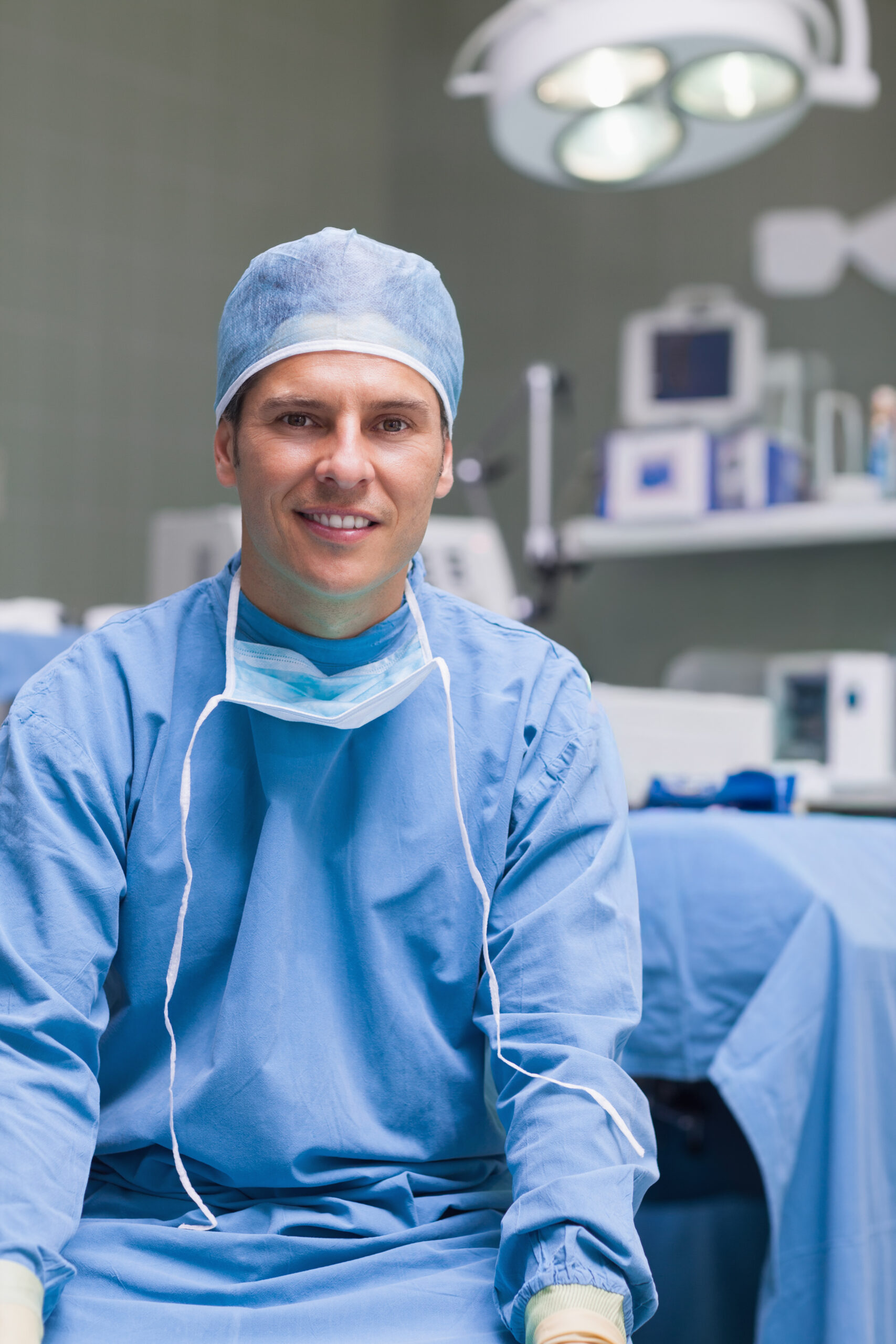
The fellowship emphasises strong clinical assessment and patient communication skills. These competencies are what separate a well-trained cosmetic surgeon from one who simply knows the techniques.
SURGICAL SKILLS TRAINING
Progressive Skills Development
The fellowship includes progressive development of surgical skills through three defined levels of competence.
6 procedures
8 procedures
9 procedures
ASSESSMENT & COMPLETION
Begin Your Fellowship Journey Today
Fellows are assessed through a combination of clinical skills assessment, case analysis and treatment planning, demonstration of surgical techniques, evaluation of patient consultation and counselling skills, and management of postoperative care and complications.
Candidates must demonstrate competence in one or more procedures including blepharoplasty, SMAS face and neck lift, otoplasty, and rhinoplasty techniques.
Upon successful completion of the programme, fellows will have developed the knowledge, judgement, and technical ability required to perform facial aesthetic procedures safely, assess and select appropriate patients, plan surgical interventions based on anatomical analysis, manage complications effectively, and deliver ethical, patient-centred cosmetic surgery.
